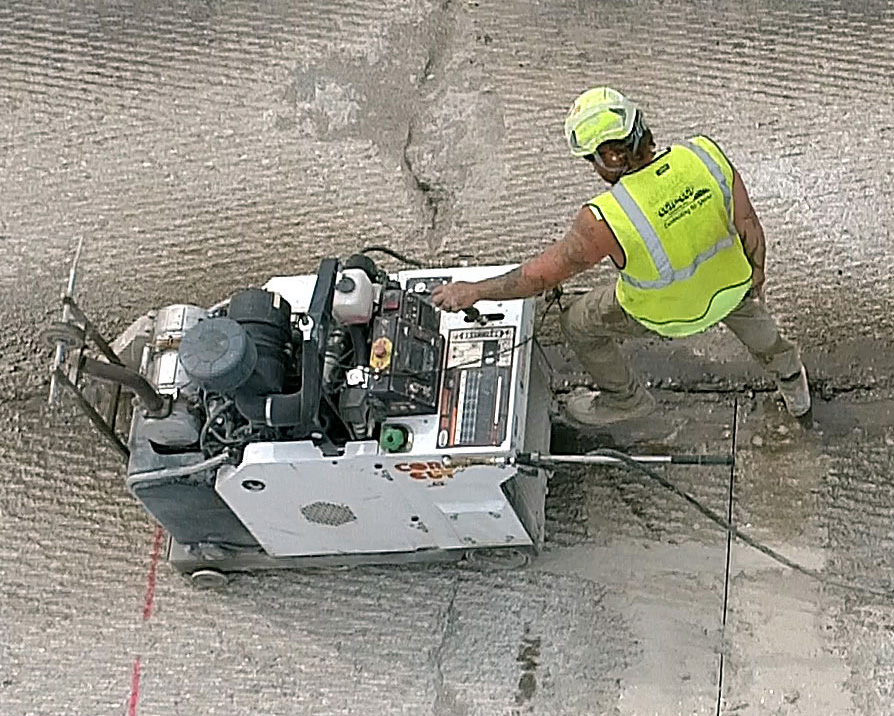

A concrete opening may represent only one item on a project schedule, but it can affect several trades waiting behind it. If a planned core, trench, or anchor location cannot be used, plumbers, electricians, equipment installers, inspectors, and finish crews may all lose time.
Ground penetrating radar services help contractors identify possible conflicts before labor, equipment, and limited access windows are tied to one location. That advance information can reduce work stoppages, repeat mobilizations, missed shutdown periods, and other delays that cost far more than the scan itself.
Why One Concrete Conflict Can Delay Several Trades
Construction schedules depend on sequencing. Concrete cutting may need to be completed before a pipe can be installed, conduit can be routed, or equipment can be set in place. When an unexpected obstruction changes the plan, the cutting crew is rarely the only group affected. A plumber may be unable to run a drain line. An electrician may need to pause conduit installation. A delivery may arrive before the equipment pad or floor opening is ready.
This is why construction schedule coordination matters. Discovering a concern early gives project leaders time to adjust the plan instead of rebuilding the day’s schedule after work has already stopped.
How Ground Penetrating Radar Services Protect the Schedule
Concrete imaging gives contractors field information before saws, drills, lifts, generators, and containment equipment are set up.
The proposed work area can be reviewed for possible conflicts before the crew commits to the layout. If the location appears workable, the project can move forward with fewer unknowns. If something is detected, there may still be time to shift the penetration, change the route, or request further review. This type of preconstruction concrete scanning moves important decisions to a point when changes are easier to manage.
Preventing Missed Shutdown and Access Windows
Many concrete projects must happen within a limited work period.
A manufacturing plant may provide a short production shutdown. A hospital may restrict noisy work to certain hours. A parking structure or loading area may be closed for only one day. Some facilities also require escorts, security access, traffic control, or equipment isolation. If a penetration location must be reconsidered after that window begins, the crew may not have enough time to finish. The next opportunity could be days or weeks away.
Concrete scanning for scheduled shutdowns helps contractors review planned locations before the restricted work period starts. Questions can be addressed while the building is operating normally instead of during the few hours reserved for construction.
Reducing Crew and Equipment Remobilization
Concrete cutting work may require specialized saws, drilling equipment, generators, water control, vacuums, lifts, and other job-specific tools. If the work location changes after setup, that equipment may need to be moved or removed. The crew may then wait for new measurements, revised plans, or approval to proceed.
These jobsite remobilization costs can include additional travel, setup time, labor, equipment scheduling changes, and repeated access arrangements. Scanning the broader work zone can also provide nearby alternatives when the preferred location is not usable. Reviewing another option is easier when the surrounding area has already been investigated.
Avoiding Rework and Patching
A hole placed in the wrong location does not disappear when the plan changes. It may need to be patched, finished, waterproofed, firestopped, or covered with new flooring or ceiling materials. The correct opening still needs to be made elsewhere, adding another round of cutting and finishing work.
Subsurface concrete imaging before penetrations gives crews more information before a permanent opening is created. This is especially valuable in finished spaces, parking structures, commercial buildings, and other areas where correction work can affect several trades.
Keeping Equipment Installation on Track
Equipment installation often depends on exact anchor, conduit, piping, or floor-opening locations.
Production machinery, racking, vehicle lifts, conveyors, electrical cabinets, and mechanical equipment may arrive according to a fixed delivery schedule. If anchors or connections cannot be placed where expected, the equipment may sit unused while a new layout is developed.
Concrete scanning before equipment installation helps identify possible layout concerns before delivery day. A small adjustment made during planning is usually easier than stopping an installation after equipment has already been unloaded.
Preventing Last-Minute Approval Delays
Some conflicts require input from an engineer, architect, owner, or facility representative. The opening may be tied to structural plans, drainage slope, equipment dimensions, or another fixed condition. Clear concrete scan documentation gives decision-makers useful field information to review before labor and equipment are waiting for an answer.
Because Con-Cor provides both concrete imaging and cutting services, scan findings can also be discussed with the field crew before equipment is staged. This reduces unnecessary communication handoffs and supports better concrete cutting project planning.
Better Information Keeps More of the Project Moving
Concrete scanning may cover one small section of a slab, but its value can reach across the job. It can help prevent lost work windows, repeat mobilization, equipment installation delays, unnecessary patching, urgent design reviews, and interruptions to other trades.
By identifying possible conflicts earlier, ground penetrating radar services give contractors more time to adjust the plan and protect the surrounding schedule. Contact Con-Cor to discuss the planned work area and scanning needs for your project.