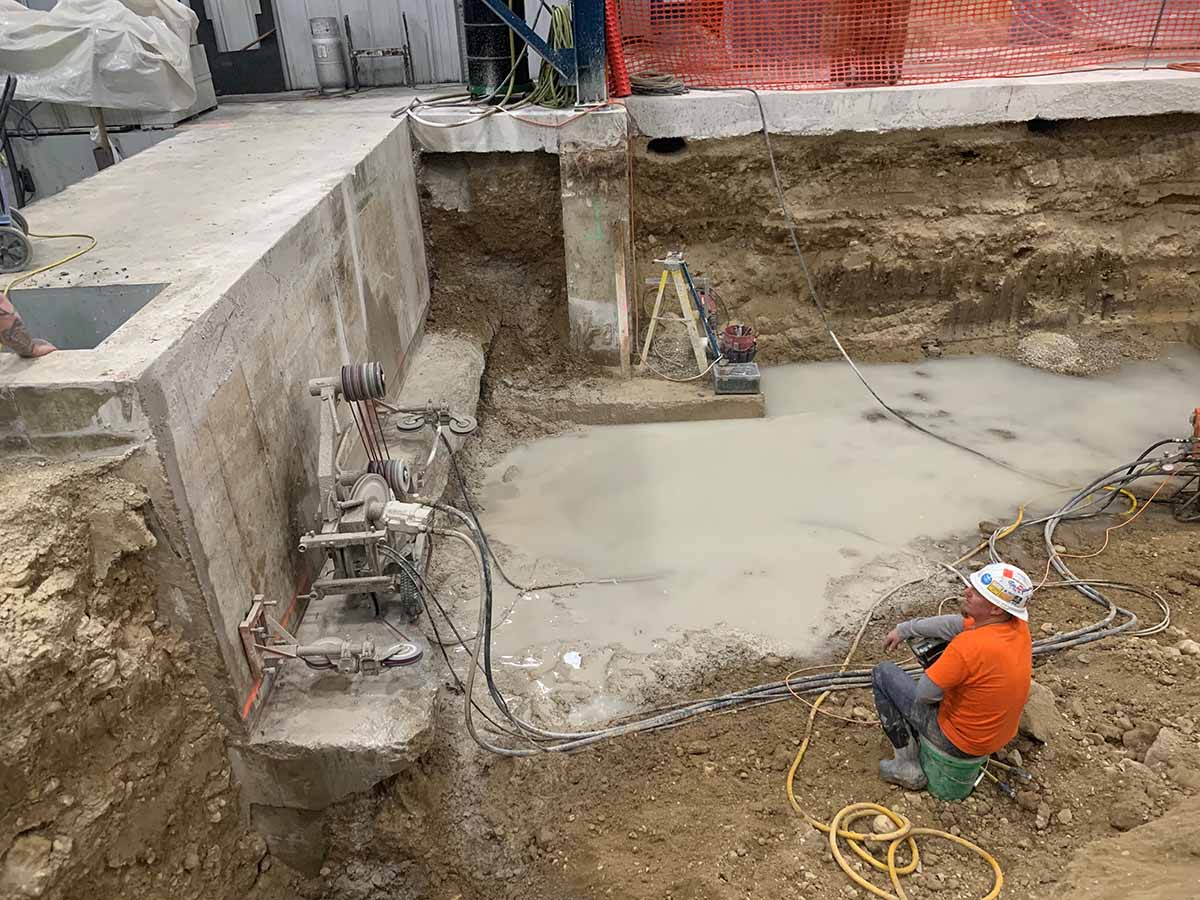

Renovation work in commercial and industrial buildings rarely starts with cutting concrete. Before crews begin saw cutting or core drilling, it helps to know what is hiding inside the slab. In warehouses, manufacturing plants, hospitals, schools, and commercial buildings, cutting into concrete without understanding what is below can lead to delays, damaged utilities, or changes to the work plan that nobody expected.
That is where concrete scanning services come into the picture. Concrete scanning using ground-penetrating radar helps teams understand what may be inside or beneath the slab before renovation work begins, enabling crews to plan cuts, penetrations, and utility work with greater confidence.
What Concrete Scanning Helps Identify Before Renovation
Commercial and industrial renovations rarely leave concrete untouched. A manufacturing facility may be rerouting utilities for new equipment, a hospital may need floor penetrations for mechanical upgrades, or a warehouse could be modifying layouts to support changing operations. In many cases, crews need to saw-cut openings, trench floors, or core drill penetrations to keep the project moving.
Before any of that work begins, scanning helps locate what may already exist inside or beneath the slab.
Depending on the structure and project, scanning may help identify:
- Reinforcing steel (rebar)
- Post-tension cables
- Electrical conduit
- Plumbing lines
- Embedded utilities
- Voids or inconsistencies beneath the slab
- Areas where cutting or drilling may need to be adjusted
Knowing what is inside the slab ahead of time makes it easier to plan the work and avoid surprises once cutting or drilling begins.
When Concrete Scanning Services Are Needed Before Renovation
There are many situations in which concrete scanning services are an important part of renovation planning, especially for commercial and industrial projects.
Facility Retrofits and Equipment Upgrades
Manufacturing facilities, warehouses, and processing plants often renovate spaces to install new machinery, relocate production lines, or improve operational flow. These projects frequently require trenching, anchor installation, saw cutting, or new utility penetrations.
Scanning helps determine where embedded items exist before drilling or cutting begins, so renovation teams can move forward with greater confidence.
Tenant Improvements in Commercial Buildings
Office spaces, healthcare facilities, educational campuses, and commercial buildings regularly undergo tenant improvements or layout modifications. Even projects that seem straightforward on paper may involve new plumbing, electrical rerouting, or floor penetrations. When crews understand what sits inside the slab beforehand, it becomes easier to coordinate cutting locations and avoid unnecessary disruption during renovation work.
Utility Modifications and Mechanical Upgrades
Renovation often means changing building systems. HVAC improvements, plumbing reroutes, electrical upgrades, drainage changes, and new utility pathways frequently require openings through concrete floors or walls. Before saw cutting or core drilling, coordination can help identify utilities or structural elements that should be avoided or planned around.
Structural Modifications
Some commercial and industrial renovations involve trenching, changing access points, modifying foundations, expanding production areas, or preparing slabs for new structural work. In these situations, understanding slab conditions before work begins can help teams plan cuts more accurately and reduce uncertainty on-site.
Why Renovation Teams Should Avoid Guesswork
Many commercial and industrial buildings have gone through years, or even decades, of changes. Drawings may be outdated, incomplete, or no longer reflect what actually exists beneath the slab. Even when plans are available, field conditions do not always match what is on paper.
On renovation projects, assumptions can get expensive fast. A slab may contain conduit, utilities, reinforcement, or other embedded materials that were added during previous renovations and never fully documented.
Instead of relying only on plans or best guesses, scanning gives crews a clearer picture of what is actually inside the concrete before work begins. This becomes especially useful when coordinating concrete cutting, utility locating, or core drilling work that depends on precision. On larger renovations, finding issues early is usually easier than stopping work halfway through because a planned cut location suddenly conflicts with something hidden below the surface.
Coordinating Concrete Cutting After Scanning
Once scanning is complete, crews have a better idea of how to approach the next phase of work. Whether the project involves saw cutting, trenching, slab removal, or utility penetrations, understanding what is already inside the slab makes planning easier and helps reduce unnecessary surprises.
For many commercial and industrial renovations, scanning works alongside concrete cutting coordination to help teams create openings in the right locations while avoiding unnecessary disruption to surrounding systems.
This is especially important in active facilities where downtime, restricted access, or operational interruptions can affect production, schedules, or tenant activity.
Planning Renovation Work Starts Below the Surface
Large-scale renovations often involve more than what is visible from above. Before concrete is cut, drilled, or removed, understanding what may be below the surface can help crews avoid delays and plan work with fewer surprises.
When renovation work involves utility changes, equipment upgrades, floor penetrations, or structural modifications, concrete scanning services help teams get a clearer picture of existing conditions before work begins. When crews know what they are working around before cutting starts, planning tends to go smoother and unexpected problems on-site become easier to avoid.