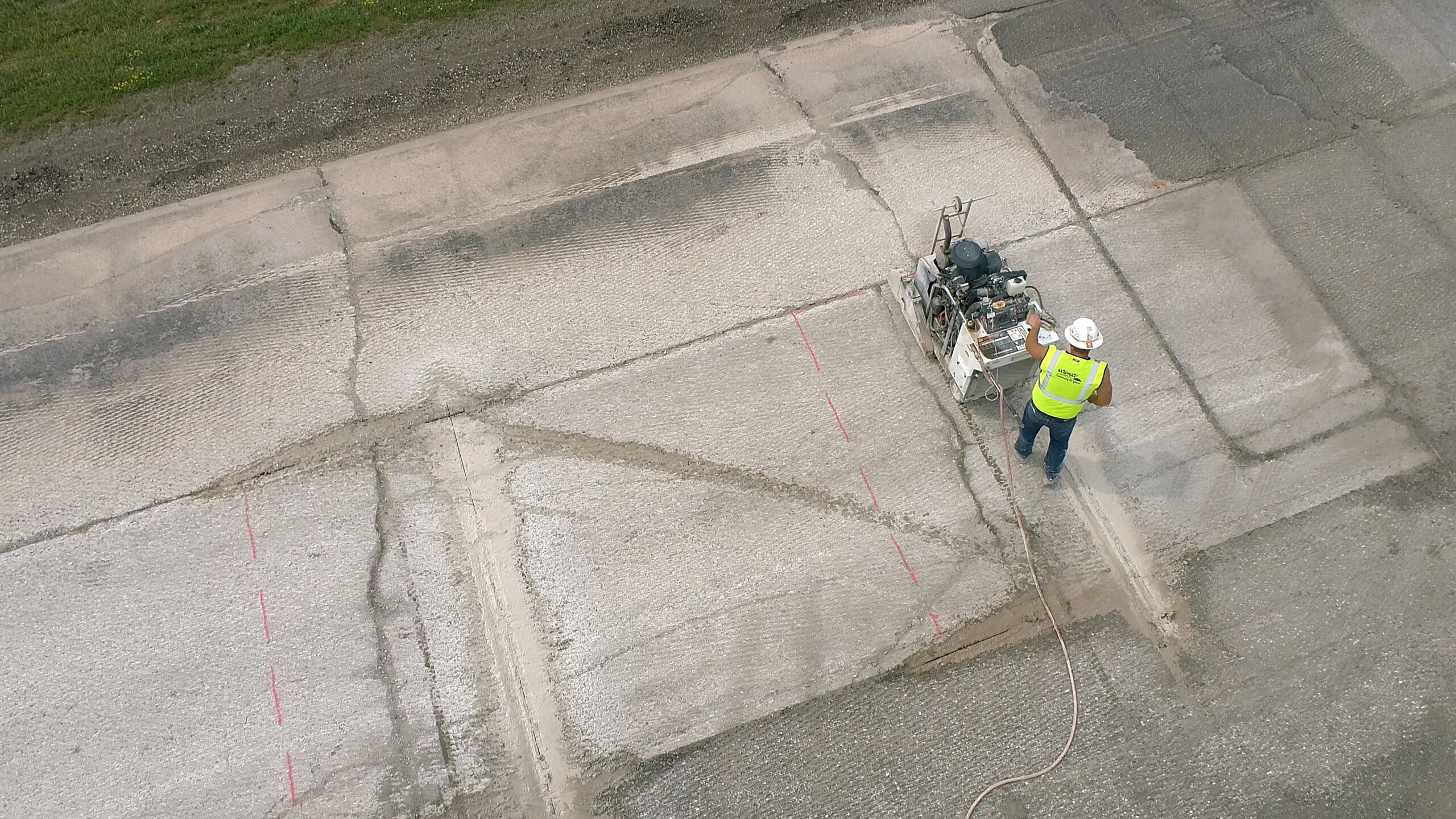

Reinforced concrete is designed to handle heavy loads, repeated use, and demanding conditions, which is why it is commonly found in manufacturing facilities, warehouses, hospitals, schools, parking structures, bridges, and large commercial buildings. When changes are needed, the work often involves steel reinforcement, embedded utilities, conduit, or post-tension systems, which affect how cutting is approached. Using the right concrete cutting techniques helps crews complete modifications with greater precision while supporting project requirements.
Reinforced concrete may need to be modified during equipment installation, utility routing, facility updates, structural changes, or infrastructure work. The method used depends on what is being cut, what exists inside the structure, and the needs of the job.
Understanding Reinforced Concrete Before Work Begins
Reinforced concrete includes materials such as steel reinforcement, which improves strength and durability. While that added support makes structures stronger, it also creates additional considerations during modifications. A warehouse floor may contain dense reinforcement for heavy equipment, while an older industrial facility may include utilities or systems added during previous upgrades.
Because of this, crews often need a clearer understanding of what lies beneath the surface before selecting a cutting method. Ground penetrating radar scanning is commonly used to identify rebar, conduit, post-tension cables, and other embedded conditions that may affect the work.
Common Concrete Cutting Techniques Used for Reinforced Structures
Different reinforced structures require different concrete cutting methods, especially when slab thickness, reinforcement placement, access, or project goals vary.
Flat Sawing for Floors and Horizontal Concrete
Flat sawing is commonly used on floors, pavement, bridge decks, and other horizontal surfaces when straight, controlled cuts are needed. Flat sawing is often used for trenching, utility pathways, equipment relocation, slab removal, or creating controlled openings in horizontal concrete. In reinforced concrete, crews consider cut depth, surrounding infrastructure, and reinforcement layout before work begins.
Wall Sawing for Structural Modifications
Concrete wall sawing is often chosen when reinforced walls require openings for access points, mechanical systems, infrastructure upgrades, or structural modifications. Reinforced walls may contain steel reinforcement and embedded materials, making precision especially important when creating clean, controlled openings.
Hand Sawing and Chain Sawing in Tight Areas
Mechanical rooms, utility corridors, and confined spaces sometimes require more flexibility than larger equipment allows. Hand sawing and chainsawing help crews work in restricted areas and can assist with deeper penetrations or square openings in reinforced concrete.
Core Drilling for Utility and Building Upgrades
Core drilling is commonly used for plumbing, electrical systems, HVAC work, anchoring, and utility routing through slabs or walls. Since reinforcement and embedded systems may affect placement, scanning and drilling coordination are often completed together before work begins.
Why Planning Matters Before Reinforced Concrete Is Modified
Reinforced concrete often contains more than what is visible from the surface. A slab that appears straightforward may include conduit, reinforcement, sleeves, or undocumented changes from earlier work. Drawings can help, but field conditions do not always match what is shown on paper.
Scanning before modifications begin gives crews better visibility into embedded conditions and helps reduce surprises once cutting starts. In active facilities where schedules, production, or access matter, understanding conditions early can make work easier to coordinate.
Matching the Method to the Structure
There is no single approach for when reinforced concrete must be modified. A manufacturing facility installing new machinery may require slab sawing, while a healthcare campus or warehouse could need carefully placed penetrations for utilities or building system upgrades. Parking structures, industrial facilities, and institutional buildings each create different conditions that influence the cutting approach.
Experienced concrete laborers evaluate conditions before work begins so the selected method matches the structure, reinforcement, and project goals.
Reinforced Concrete Work Starts With the Right Plan
Reinforced structures are built for strength, which means modifications require preparation and the right equipment. Whether the work involves floor openings, utility upgrades, or structural adjustments, choosing the proper concrete cutting techniques helps crews work with better visibility into subsurface conditions.
When reinforced concrete must be modified, understanding the structure and choosing the right cutting approach helps crews complete the work with better precision and fewer unexpected issues.